
bbq top menu 1

Interactive Map | Oral Histories | Contact | More Trails...         

TN bbq OH MENU

Tennessee BBQ
Introduction

Interactive Map

TENNESSEE
INTERVIEWS

A&R Bar-B-Que

Bar-B-Q Shop

Bill Latham's Bar-B-Q

Central BBQ

Cozy Corner Restaurant

Curt's Smoke House

Germantown Commissary

Gridley's BBQ

Hays Meat Company

Helen's Bar-B-Q

Interstate Bar-B-Que

Jack's Creek Bar-B-Q

Leonard's Pit Barbecue

Liz's Bar-B-Q

Papa KayJoe's Bar-B-Q

Payne's Bar-B-Q

Rendezvous

Richard's Bar-B-Que

Ridgewood Barbecue

Scott's-Parker's Barbecue

Siler's Old Time BBQ

Three Little Pigs Bar-B-Q

Tom's Bar-B-Q and Deli

Tommy Leonard's Bar-B-Q

Woodstock Store N' Deli

“That’s what a barbecue is; now it’s actually a noun. It’s not a process. What we do is cook it okay; and that’s the process. We never use the word barbecue for what we’re doing to the ribs or the shoulders or something like that; we’re cooking them, you know. A barbecue—is a barbecue sandwich.” – Dan Brown

Leonard’s Pit Barbecue
5465 Fox Plaza Drive
Memphis, TN 38115
(901) 360-1963
www.leonardsbarbecue.com

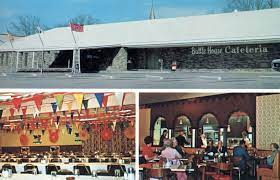
The corner of Bellevue and McLemore served Leonard Heuberger’s barbecue for six decades. Elvis loved to eat here, back when carhops wheeled around a parking lot that could fit hundreds of cars, and where Mr. Brown and Ms. White—the monikers for dark and white meat—held court.  

Dan Brown began working for Mr. Heuberger back in 1962, starting out as an onion slicer and working his way up to “sandwich man.” He never did expect to own the famous restaurant thirty-one years later.

At Leonard’s barbecue is not a process, but a sandwich: pork shoulder, pulled or chopped, served on a bun with sauce and slaw. Here barbecue is also a bite of history.


pig chartWe first visited Leonard’s Pit Barbecue in 2002 as part of our initial foray into documenting Memphis ‘cue, a project that included photographs, original essays and a smattering of oral history interviews. Visit the original Leonard’s Pit Barbecue page.


What follows is a portion of the original interview that has been edited for length. To download the entire transcript in PDF form, please click here.

Subject: Dan Brown
Date: July 15, 2008
Location: Leonard’s Pit Barbecue – Memphis, TN
Interviewer & Photographer: Rien T. Fertel

-----

Rien T. Fertel: This is Rien Fertel with the Southern Foodways Alliance. It is July 15, 2008, a Tuesday; I’m in Memphis, Tennessee—5465 Fox Plaza Drive—that’s the address of Leonard’s Pit Barbecue. I’m here with Mr. Dan Brown; Mr. Brown will you please introduce yourself and tell us your birth date for the record?

Dan Brown: Okay; my name is Dan Brown and I was born on April 4, 1947.

What is your position here at Leonard’s Pit Barbecue?

Right now I am the owner of Leonard’s Barbecue. … I’ve been the owner for 15 years. … I purchased the restaurant from the previous owners in 1993.

Tell us when this restaurant was founded—the name was founded—and who it was founded by.

Okay; the restaurant was founded in 1922 by Leonard Heuberger and it was originally at the corner of Trigg and Latham here in Memphis. Then in 1932 he moved from that location to Bellevue and McLemore, 1140 S. Bellevue and it was at that location from 1932 until that restaurant was closed in 1991. And we moved out here actually a few years before that one closed in 1987 in anticipation of the lease running out on the—on the property.

Did he open up his original restaurant—Leonard’s as a barbecue restaurant? Was it a full service restaurant?

There—there—I don't think there were many what you would call full service restaurants, you know then—maybe some hotels or something like that but it was actually pretty much called Leonard’s Lunch when he opened at Trigg and Latham and it wasn’t I think until after he moved in ’32 to Bellevue and McLemore that—that the barbecue became a staple and—and the main item of his—of his restaurant.

Do you know where he got the idea to do barbecue? Do you know any of the old cooks that might have started the barbecue tradition for him or taught him to do barbecue or encouraged him to cook barbecue?

I do not know personally any—you know if it was his idea or whose idea. I know a lot of the old cooks and whatever that were there; there was—there was a Pit Cook, name of Paul Tappan that was one of the first—if not the first—man that—that was responsible for just cooking things on the pit. There was a kitchen person named Annie Tillman and her husband Tom Tillman. Both worked for—for Leonard’s and I believe Annie was the one most widely credited with coming up with the final barbecue sauce recipe. But I know with—with Mr. Leonard and his wife so you know—input on that also.

Tell us when you started here again and what was your position back in the ‘60s?

I started in 1962 when I was 15—a freshman in high school and it was just a family connection. My family knew the—knew the Leonard family and—and got me a job there. And I started as just a general kitchen helper. You know you just come in and slice onions you know or 200-pounds of onions every morning for hamburgers and onion rings and things like that. And then just gradually all the way through high school you know just kind of progressed to where they had a position—they—they just called it a sandwich man and—and that’s what I did was make barbecue sandwiches, you know lunch, dinner.

And tell me what you remember about Mr. Heuberger and any stories. Do you remember maybe how he looked? Did he spend any time in the kitchen cooking?

I—I never saw Mr. Heuberger in the kitchen. Now you know when—you’ve got to remember; when I—when I started there he was probably already in his mid to late ‘50s or something and had a daughter and son-in-law. Bill Hughes, his son-in-law worked right next to me and trained me and taught me how to make sandwiches and—and—and Bill and Thelma had two sons, Tommy Hughes and Billy Hughes and they both worked there, and I worked right alongside them and Bill, you know in the kitchen. And you know as—as a 15 year-old I didn’t have much of any interaction with Mr. Leonard. I wouldn’t—you know I’d say good morning, sir or something like this; he was a very friendly man. It wasn’t that he wasn’t approachable; it was just nothing—there was nothing that I had to say to him—ever you know. In other words, I’d—I dealt with the people that were my superiors. … He was always in the front of the house and he was always greeting customers but he did not stand at the door and greet customers. He had a stool that he sat at—at the counter and everyone that came in, he knew them and—and most of them he knew by name. And if he didn’t—if he was speaking with someone the people would wait you know like a reception line almost to—you just didn’t go sit down without saying hello to Mr. Leonard. He sat at the same spot at the counter every day—every day.

Tell me about your time in the kitchen here. Tell me about the Tillmans; what do you remember about Mr. and Mrs. Tillman?

I remember just Annie Tillman just being such a gracious, kind, classy lady—just so nice and pleasant, never you know—as a 15 year-old when you’re working back in the ‘60s you’re a little cowed by everything and she was obviously the one. She was the person okay and she was just so kind. She would show you everything she was doing. I was really interested and—and she never—I never got the feeling that I was bothering her or anything like that. And Tom Tillman, her—her husband—the same way—just the kindest, gentlest man and kind of small in stature and he just did odd jobs around there. He could fix anything; he was the kind of man—it would really be nice if you owned your own restaurant, he was the kind of person that could save you a lot of money because you, you know he could do minor plumbing, electrical, carpentry—some major things he could—he could do. And he helped around there and—and I believe that—that Mr. Leonard just had him on salary. I mean they—‘cause he worked a lot for Leonard at his house and—and my understanding, in his younger days he was one heck of a baseball player. Really from—from what Leonard and his daughter and son-in-law and grandsons told me that he—he could have been a professional baseball player. He was a black man and—and he—he actually I believe played in the Negro leagues but—but at that time it was—when he was young it was pre-Jackie Robinson and there was no opportunity for him. And so after his—after he got up in years the baseball was not an option for making a living. But from what I’ve heard he could have made a living at baseball and he—he was just a great guy—great guy.

Who was the Pit Master at the Bellevue location?

That would be and even before then would be James Willis. Paul Tappan was still there in the ‘60s when I first started. Paul Tappan was still there in the ‘70s and there was a James Willis and a Milton Smith that were both full-time Pit Cooks in addition to Paul Tappan. Then Paul started kind of phasing out and just hung around the daytime some and cooked a few ribs and a couple of hams and James Willis and Milton worked every night. Sometimes both of them worked at night if it was a weekend night and they were cooking a whole lot of shoulders.

We did interview [James Willis] back in 2002, we—the Southern Foodways Alliance. He no longer works here and you can tell us about that but you know anything you’d like to say about Mr. Willis?

You know I really—I don't know; I think it’s the—a good mark of the quality of the person that I don't really have a story about him. He was—you know he was just—he was the rock. He was always there, you know. If the pit caught on fire and everybody else—when everybody else is screaming and running and everything else it was James that picked up the little water bucket and barely cracked the door open and got the fire out and knew what to do. And if—he—he never—he never got flustered; he never—he never seemed like he was in a hurry but when he did it the meat always came off 45-minutes before anybody else that you’d go out there and they were rushing around and sweating and they were behind and they couldn’t get this pit turned and the meat on this pit needed to be turned and I need a fire on the third pit but I’m down here. And you never saw that with James; he would just be all by himself, just this slow easy, graceful almost way of—of doing it that was just astonishing to me to this day because it’s not as easy as he made it look. I guarantee you it’s not near that easy. [Laughs]

Let’s talk about your barbecue. How would you describe your barbecue?

Well I think any time you just say—if you’re saying barbecue and you say Leonard’s you’re talking about a—a barbecue pork shoulder sandwich—pulled or chopped on a bun with barbecue sauce and coleslaw on the sandwich. And that’s what a barbecue is; now it’s actually a noun. It’s not a process. What we do is cook it okay; [Laughs] and that’s the process. We—we don't—we never use the word barbecue for what we’re doing to the ribs or the shoulders or something like that; we’re cooking them, you know. And then the—a barbecue—is a barbecue sandwich. Now ribs you know is getting to be a big thing and when I first started working at Leonard’s, ribs were not a big thing.

Your shoulders, can you tell us a bit about the process without giving anything away?

Oh yeah there’s nothing; yeah there’s—there’s only one secret and—to Leonard’s and that would be the barbecue sauce, okay. That’s a secret recipe. Shoulders, we—the same thing that we did way back when; you just—you trim them, trim a little of the fat off of them, leave some fat on them but you’re trimming a little bit. The manufacturer sends you—sends them to you a little heavy. So we trim a little fat off of them and throw it away, and then you just—you’re cooking the shoulders about—still about 10 or 11 hours. Now we’re using a hickory smoker for the—for the first 75-percent of the cooking but then it’s still just right onto a charcoal pit and—and that’s what gives it that brown—finish them off there and—and the charcoal gives them a little more of the—. The smoker gives them a lot of flavor on the inside of the meat, which you don't get from just cooking them directly over charcoal. But the charcoal finishes them off and gives them that—that crunchy what we call brown meat on the outside which is what Leonard’s customers are looking for. … It’s about a total of 10 or 11 hours—about eight hours on the smoker and two hours on the charcoal pit and an hour of prep and moving them.

Why do you think Leonard’s has lasted so long?

I think ‘cause we’re the best. I think—I think we were the best then okay. We were always the busiest and I think—I just—we were the best. I mean it’s the best sauce and slaw recipe that go together now. It doesn’t mean it’s—I mean there are different ones that are good but yeah for—for a sweet barbecue sauce with a sweet mustard coleslaw if that’s the way your tastes run the customers are going to come here, and they still are from way back when.

You have a really great neon side both outside and inside and tell us what it says, what it is, and if it’s referring to you.

Yeah; so—so it’s the—the pig is walking and it says Mr. Brown goes to town and of course my name is Dan Brown, so that worked out great. But what it refers to is the—is the sandwich we were talking about on that pork shoulder sandwich you could get brown meat or white meat and on some of the real old menus it would say Mr. Brown for brown meat and Miss—Miss White for white meat simply because the white meat being a little more lean—the brown mean you know off the outside of the shoulder and going to have some fat in it and so you know you were a little more macho if you ate the brown meat. So it was mostly men and a lot of ladies ordered the white meat ‘cause that they wouldn’t get the fat in their mouth you know and all of this. So it—the—the—I’ve got menus here that say Mr. Brown; Miss White on the—but that’s just your choice on the sandwich. And the pig and top hat was Mr. Brown.

-----

To download the entire transcript in PDF form, please click here.


bottom MENU

Introduction | Interactive Map | Oral Histories | About & Contact | More Trails...