
![]() |
![]() |
![]() |
||||
| |
||||||
| |
||||||
|
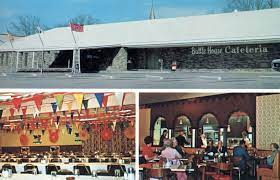
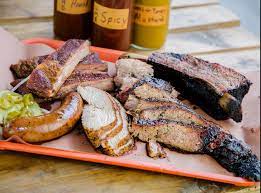
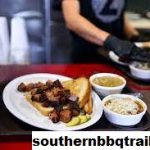
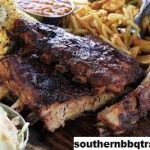
“The only reason I can ever conclude that it’s popular, is that it tastes good. And it never goes out of style and it’s truly Southern and it’s truly American and it’s truly unique. I get just as excited eating a barbecue sandwich today as I used to when I was a kid. And as a matter of fact people still tell me; well I hear the Rendezvous has got the best barbecue, and I say no. I said let me tell you something; there’s good barbecue all over Memphis. I mean I know ‘cause I eat it. I do think if you have one night to eat barbecue I think you should come to the Rendezvous ‘cause I think it’s one of the unique restaurants in the country.” – John Vergos Charlie Vergo’s Rendezvous John Vergos was born the same year (1948) that his father Charlie Vergos opened the Rendezvous. It wasn’t until the mid-1950s that the Rendezvous started charcoal grilling the now famous Rendezvous ribs. As the story goes, the miraculous discovery of a old coal shoot in his restaurant’s basement location allowed Mr. Vergos to switch from ham sandwiches to pork ribs. Seasoned, not dry rubbed as commonly thought, with a mélange of Greek—owning to the Vergos family heritage—and Louisiana spices, and finished with a vinegar solution. The ribs—which they sell 8,000 pounds of a week—are meant to be eaten without extra barbecue sauce.
*Two interviews, John Vergos and Jack “Big Jack” Dyson, are on this page. Jump to Jack “Big Jack” Dyson interview. What follows is a portion of the original interview that has been edited for length. To download the entire John Vergos transcript in PDF form, please click here. Subject: John Vergos ----- John Vergos: John Vergos; I was born April 11, 1948. Okay; well let’s get into a bit of history. As I understand you were born in Memphis. I’m a native Memphian and I went away to college at SMU for four years and then I went to--graduated from University of Memphis Law School and practiced for 14 years and then I came back in the business. But I’ve been working in and out of the business since I was old enough to--to wash dishes and bus tables. You come from a long lineage of restaurateurs. Can you talk a bit about that where it started? Well we’re--we’re Greek and so you know all the Greeks naturally evolve in the restaurant business. My grandfather came over in the early 1900s and he actually had the first hotdog stand--foot-long hotdog stand on Beale Street and he owned a diner called the Jackson Coffee Shop which is where St. Jude Hospital is now and my father grew up in that business. My--my--on my mother’s side, her parents started a restaurant called Jim’s Place which is--continues to operate. It started--it was across the street from the Peabody Hotel and it started in 1921. So we’ve all--and then I have an uncle in the restaurant business, so we’ve all you know--our whole family is kind of what we--what we’ve done. … My father is Charles Vergos, Charles J. Vergos and he was--he was actually born in the United States, but both of his parents were born in Greece. And my mom is Anastasia Vergos and she was born in Greece and she came over just after World War II. As a matter of fact, she--she and her family got stuck in Greece in 1939. My grandfather had come over and was going back and forth working you know with Jim’s Place and--and he was over here when World War II broke out and so they were stuck in the little Greek village. And then what a lot of people don't know is after World War II, Greece had a very violent bloody revolution for a year and--as a matter of fact there was a book by a New York Times reporter by the name of Nicholas Gage called Eleni that chronicled what a lot of--of families that had American connections that lived in the mountains faced and it was a fairly bloody situation. But she came over like I said not--as soon as that was over. … And really how the Rendezvous evolved is it--as soon as [my father, Charles Vergos] got back from the War he didn’t go in business with his father but he and his brother-in-law started a diner in downtown Memphis called Wimpy’s. And after about a year he concluded there was not enough money in it for two families to live yet they were hung in a long-term lease. And so he told his brother-in-law, look; you keep the diner. I’ll go in the basement and try to create something and--and that’s what happened. He went down and cleaned the basement. There’s a picture of here on--on one of the walls. And he didn’t really have any money to decorate and--and the way he decorated was going up and down Main Street getting old movie pictures and odds and ends and different things and started hanging them up on the wall which is really the beginning of the décor that you see at the Rendezvous. And you know over the course of years, like somebody loaned him a Civil War gun and he--I mean you’ve got collections of all types here. And you know it wasn’t something he planned to do; it was just filling space. … And--and really when the Rendezvous started we really didn’t start serving ribs ‘til probably 1954 or ’55 but it was--it was just a tavern. He just served beer, ham and cheese sandwiches and he had little appetizer plates of cheese and pickles and--and peppers and--[ This basement that you talked about was it at the present location where we are now at Union and Second? No, no; it--it was about 50 yards from here and were in that basement and it seated 80 seats until 1968 and he had to move because--and National Bank of Commerce at that time was taking the whole block to build a skyscraper. And so--actually we owned the building at the Corner of Beale Street and Third at that time and we were going--and that’s where he was going to put the Rendezvous. He’s going to put a record store in the main level and a Preservation Hall type blues place on top. Well it was about the same time that Dr. Kings was assassinated and so no one would lend him money to go to Beale Street. And so they kept trying to get him to move out in the suburbs and he did not want to do it and so they finally found this basement which was--and again this basement had never been used and they came in and cleaned it up and we started--the Rendezvous started here in 1968. Can you talk a bit about pre-‘70s [Downtown Memphis and Beale Street]? We were the first--we’re the first restaurant that I know of that sold ribs commercially. Now if--if--there was a place on Bealee Street called Johnny Mills just off of Beale Street. And now again I’m talking about during my time; now going back in the ‘20s and ‘30s you know Beale Street transformed several times. I mean the ‘50s and ‘60s it would be a lot of pawn shops and a lot of meat markets. A few--Club Handy was down there etcetera but as far as serving barbecue ribs, we’re the first place that I know of that--that did that. You know ribs were a 4th of July, Memorial Day, Labor Day kind of picnic food that people would cook at home--to actually cook them and serve them ‘cause Memphis was really noted more for the barbecue sandwich and which is you know the chopped shoulder on the bun. And if you eat it Memphis style you put the coleslaw on the shoulder and eat it together. And so it--it was you know--and the way we do the Rendezvous Ribs, I mean I think it’s one of the unique food products in the country ‘cause it’s--and I hate the expression dry ribs ‘cause I don't think adequately defines what we do. But we can get into talking about how we cook it and all that kind of--. I can tell you the history of how it started--what caused them to start cooking ribs. … Well they really were a byproduct and with the exception of the African-American community, which you know the poorer people learned how to make things work with byproducts of animals because you know the people that have the money are getting the tenderloin and the chops and all that kind of stuff. And so you know they--and--and in those days there was just not a market for ribs and they would take them and grind them up and put them into silage. So when my father started--decided to try ribs for the first time you know I think they cost him 10-cents a pound. But what--what happened--what got him in that direction was he had an old coal shoot and he used to have people smoke his hams for him. And so he closed it up and started cooking with charcoal and started smoking his own hams. And then looking to expand his menu he was just piddling; he was you know working the restaurant and knew how to cook. He tried a lot of different things; he tried chickens. He tried lamb. He tried things but it never--I don't know he was just never that happy with it, and so he started cooking these ribs and really just for--‘cause he just happened to be cooking during the day and he wanted to try some ribs. And--and our being Greeks--Greeks based all of the meats--we do the lemon or vinegar, salt, pepper, oregano and garlic. And so he--and he did that, and you know they were okay. But he went to--he had gone to New Orleans I think in 1954 ‘cause I remember I was six and it was our first vacation. And he really was fascinated by the cayenne pepper, the chili pepper, the paprika, and--and those kind of good Cajun--Cajun spices. … And so--the red spices--and so when he came back he kind of took some of that and took some of the Greek seasoning and kind of threw it together and that’s what people--and I don't like the expression rub but that’s the dry rub and--and that’s what we use today. It wasn’t anything that he--it wasn’t a real scientific means. He was just kind of a lot of Greeks; just throw on a little of this and a little of that. And so he would take the vinegar solution and baste the ribs and put the seasoning on them and somehow that recipe and--and that mixture of seasoning is--you know people just love it. I love it and it’s great on other things. And you know we don't rub the ribs; they’re not dry ribs. They’re never--they’re just Rendezvous Ribs. I tell people they’re not juicy; they’re not wet and I know you may not want to go in a lot of the details but I do have to tell you what I--the reason I think the Rendezvous Ribs are--is good. You keep bringing up your Greek heritage and your father. What did he cook at home? Did he cook at all, did he have time to cook? Well actually he--he rarely cooked. I mean my mom is an excellent cook, and you know when he started the Rendezvous it was seven days a week 364 days a year. I mean he would only close Christmas--he closed Christmas and Easter and you know being Greek you always have to have the big Easter bash. And so he rarely cooked at home. My mom is an excellent cook and people claim that she still makes the best--and I believe it--the best spanakopita, the spinach pie and all the Greeks in Memphis will tell you that she does, so he really never cooked at home. … Well I mean she cooked a lot of the foods from her village. I mean she cooked spanakopita, pastizza, the little tito patiki, the cheese puffs. She made great chicken oreganato; I’m not a lamb eater. She cooked lamb; she made a lot of lentil soups and it’s funny. If you--if you visit her village in Greece-- … Well it’s called Katohora--K-a-t-o-h-o-r-a--and it’s about 30 miles west of Delphi. And but it’s interesting; when you go to her village, still running wild are greens and cabbage and--and you know ‘cause they don't farm there anymore but I remember growing up eating neck bones with--with chicken and rice soup, a big Greek Easter soup; it’s called mayiritsa but it’s literally the entrails--it’s literally chitterlings and so you know we have a lot of African-American employees down here and they’ll bring in some neck bones and think oh you guys don't know anything about neck bones. And it’s funny how greens--how people that grow up in a poor part of the world all seem to find these you know--I mean they have poke salad and turnip greens in the South but we’ve got our own type of greens that we--we use in Greece and a lot of potatoes, a lot of rice, like corn and so--it--. But now those things are kind of delicacies and--and you know it was--a lot of it was basic cooking. Of course tons of olive oil, a lot of feta you know a lot of olives and you still can't beat a really good--a real Greek salad with tomatoes, cucumbers, feta and onion with oil and vinegar and a little oregano. [Is your father still alive?] My father is alive but he’s--he’s been sick. He has Alzheimer’s so he hasn’t come down in about eight or nine years. I mean he’ll--he’ll come down but he’s really not--as far as any involvement in the restaurant--. … : He lives; yeah he still lives at home and--and you know my mom is still living and so I do--you know sometimes there’s just not answers to things and I do get interviewed a lot just you know how did your parents--how did your grandparents get here. I don't know that there’s a clear answer. It’s just like when we get interviewed, people want to get the detail about why is barbecue--you know they want to get into the physicalness and they get into all this philosophy about barbecue and I always tell them you know why is it so popular, and the only reason I can ever conclude that it’s popular, is that it tastes good. And--and it never goes out of style and it’s truly Southern and it’s truly American and it’s truly unique. And so--so I mean--you know I get just as excited eating a barbecue sandwich today as I used to when I was a kid and we’d go to Leonard’s and my parents would bring Leonard’s Barbecue home. And as a matter of fact people still tell me; well I hear the Rendezvous has got the best barbecue, and I say no. I said let me tell you something; there’s good barbecue all over Memphis. I mean I know ‘cause I eat it. I do think if you have one night to eat barbecue I think you should come to the Rendezvous ‘cause it’s--I think it’s one of the unique restaurants in the country. I mean my--pardon my bragging a little bit but I--it you know coming from a poor background it just--it surprises me the people I bump into all over the place a bit. I mean I just--people call me up and say I was in Omaha and bumped into someone who said something about the Rendezvous and I--I don't appear overwhelmed when they say that to me because it just happens so often. And again I hope I’m not being real cocky saying it; I’m just stating facts and stating the fact that my family has been very blessed in this community and Memphis has been very nice to us. And one reason we’ve never franchised is I mean this is kind of who we are and what we do and--and trust me. We’ve had opportunities to open up many more restaurants but I just can't see the Rendezvous in some mall or some strip center with a big old asphalt parking lot in the front and you know if you run a successful restaurant you can make a really nice living in all of this--besides our employees. I mean you know we--we employ 75 people and we all do pretty well. Well I’d like to just ask one or two more questions about the famous ribs. I’ve read that traditionally they were not served with any sauce. There was no sauce on the table. Well they were meant to be eaten the same way they are now, and as he started putting sauce on the table not that long ago, you know maybe 25 years ago--30 years ago. And we’ve expanded our menu some and even now I start--I started telling our waiters to tell people because here this expression dry ribs and they’ll see sauce on the side and the first thing--before they even take a bite or take a whiff they just douse them with sauce. And so our waiters now are starting to tell people please eat them, you know. At the bottom of the ribs there will be kind of that vinegar solution and we tell people please dip them in that vinegar solution and eat one as it is. And if you want to use some sauce just put a little bit on the side and kind of dip it--and I’ll put a little bit on the side also. But I get really upset when I see people just putting--that’s really the way they were meant to be eaten is without any sauce. And I’ve even thought about taking the sauce off but I don't think we can get away with that. ----- To download the entire John Vergos transcript in PDF form, please click here.
“A lot of people said dry ribs or wet ribs but we call them Rendezvous Ribs. And when I see a customer pick up a sauce bottle I say try them like they are before you put that sauce on them, I say and then you’ll be eating a Rendezvous Rib, you know. A lot of people they don't realize that that’s really the seasoning on it, so I tell them; I say try the Rendezvous style before you go to the sauce. And most of the time they’ll—they’ll say, ‘oh that’s better.’” – "Big Jack" Charlie Vergos’s Rendezvous Cooks aren’t the only restaurant employees that can make a meal memorable. Take Big Jack; he’s been serving families, tourists, and celebrities for over forty years at Memphis’ famous Rendezvous. He fondly remembers when Rendezvous waiters wore Nehru jackets, when founder Charlie “Big Daddy” Vergoss patrolled the restaurant, and when The Rolling Stones had their first ribs. Want to sit at one of Big Jack’s tables? Then head down the stairs, and keep walking straight back. Or just ask for “Jack in the back.” This man’s popular though, so there might be a wait. What follows is a portion of the original interview that has been edited for length. To download the entire Jack "Big Jack" Dyson transcript in PDF form, please click here. Subject: Jack “Big Jack” Dyson ----- Rien T. Fertel: Okay; this is Rien Fertel with the Southern Foodways Alliance. We are still at the Rendezvous and I am here with Big Jack, a waiter here at the restaurant. And sir, can you please state your name and date of birth? Big Jack: I’m Jack Dyson, born in 1934, August the 10th. And for how long have you been a waiter here at the Rendezvous? I’ve been here 40 years. Forty years, and how long were you known as Big Jack ‘cause I know there’s a Little Jack? Well at—at the time I was much larger than I am now. But since I’ve gotten older I lost a whole lot of weight so I’m down to Little Jack now. [Laughs] But back in the day, back in the ‘60s—I started here in 1968, so back in the ‘60s, you know I was much larger. ----- Let’s talk about working here at the restaurant. You have a very special uniform that you wear at night. Can you describe it? Well not, you know—back in the day we really wore what we could. You know, whatever we had, and then we went through the Nehru coats. That’s what we’d start with, the Nehru coats and the—they was kind of hot so we moved from the Nehru coats to the short-sleeve shirts. And then we moved to the bow tie maybe in the ‘80s. And that’s where we’ve been since with the bow tie and white shirts. And—and I know—well I’ve heard from—from John [Vergoss] that when long-time customers come in they go straight to their—their favorite waiter and—. How—how does that work? If—if I’ve—if I’ve been eating at the Rendezvous with my parents for 30 years and I walk in on a Saturday night what—tell me what happens? How do I—and you’re my waiter and you’ve been my waiter for a while—how does that happen? Well—well what really happens you know I’m waiting on my third generation you know. I’m watching the children’s children come in. Now they came—the children came in with their parents and they come—brought their children and their children brought their children, so that’s the way it works. I’m waiting on my third generation, so I know mostly everyone, you know, that’s been coming here for years. And so, you know, they quite naturally when they come in they be looking for Jack, you know. They’ve been coming here for 40 years and I remember when they was born a lot of them. And do a lot of these third generation families do they sit in the same section or same table? Well not—not really the same table but they sit in the same section, you know. And I—I been waiting back there for 38 or 39 years, so that’s why they come back to my room as they call it—that’s Jack’s Room, you know, and it can seat anywhere from 54 to 55 people, so. Anyway on a good night you know, I’m—if I’m full they’ll wait. And can you describe where your room is in this—in downstairs here? Well when you come down the steps I’m straight ahead. Just keep going ‘til you can't go any further. I’m all the way in the back. They always say Jack in the back. Jack in the back all right, and Mr. John [Vergoss] was telling me about you’re—you’re supposed to eat your ribs dry here and—and—or without sauce I should say and you like them that way too. When you see a customer pick up—when you put the plate of ribs on the table and you see a—a customer pick up the bottle of barbecue sauce do you say anything? Well—well most of the time I will tell them—I said these, you know a lot of people said dry ribs or wet ribs but we call them Rendezvous Ribs. And when I see a customer pick up a sauce bottle I say try them like they are before you put that sauce on them, I say and then you’ll be eating a Rendezvous Rib, you know. A lot of people they don't realize that that’s really the seasoning on it, so I tell them; I say try the Rendezvous style before you go to the sauce. And most of the time they’ll—they’ll say, “oh that’s better.” And they listen to you? Yeah; and you know that’s—that’s Rendezvous but you know we don't call them dry or wet. We call them Rendezvous Ribs, and that’s the way it’s been done down through the years. —- And—and would you like to share any stories about—about the owner, about Charlie [Vergoss]? Oh yeah, Big Daddy? We call him Big Daddy; yeah Big Daddy—Big Daddy was the man. He—he didn’t pull any punches and he was always shrewd you know. He was the type of man that what he said you could put your foot on it—as he said, “put your foot on it; it’s right.” And he didn’t believe in doing it wrong. You do it right. And the only favorite thing I remember about him, he’d do—he did not like to see a light bulb out in the place. Thousand light bulbs, if one out—he wanted a light in there; he said make it look like we’re open. [Laughs] And we got 1,000 lights and he said—if one out, and he’d look—we closed or something? And he’d go after you to put the light bulb in? Oh hell—anybody that get there—put the light bulb in, you know he—and he believed in feeding you. Whatever he had he shared it with all of us. And he was a good man; he’s still a good man. All right; just one more question—what makes the ribs here so great? What makes them—? The—the dry seasoning that he mixes and I—and I see a lot of people try to duplicate you know—fix his dry seasoning and they’ll go and have it analyzed. But he could mix it and taste it and it would be just what it was supposed to be. [Finger Snaps] He knows just what to put in there and how to mix it and how much and it will be right. But you—I could mix it 1,000 times and I still couldn’t get it right like him. ----- To download the entire Jack "Big Jack" Dyson transcript in PDF form, click here.
Introduction | Interactive Map | Oral Histories | About & Contact | More Trails... |
|
||||
| |
|
|
|
|||