
![]() |
![]() |
![]() |
||||
| Browse Oral Histories by State | Interactive Map | More Trails |
|
|||||
| |
||||||
|
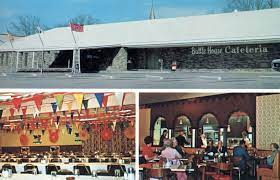
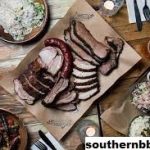
BOBBY MUELLER LOUIE MUELLER BARBECUE “We use post oak. It’s a good hard wood. It gives meat a good flavor, and it’s something we, you know, started with—always have been with. You change woods, you’re going to change the flavor of the meat, so pretty well stay with it.” – Bobby Mueller Bobby Mueller was born in Taylor, Texas, in 1939. Louie Mueller was Bobby’s father, who opened the restaurant and grocery store in 1949. When not either in school or in the service, Mueller has worked with the family business, which he bought from his father in 1974, around the same time Louie Mueller stopped selling groceries. It was about this time when Mueller, himself, learned to barbecue. Today, Louie Mueller Barbecue remains a family business. Bobby’s wife, Trish, keeps the business’s books. If you’re ever in Taylor and see the U.S. flag flying outside of the restaurant, stop in; it means their open. It’s a tradition the Muellers began in 1976.
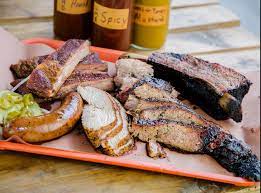
NOTE: What follows is a portion of the original interview that has been edited for length. To download the entire transcript in PDF form, please click here. Subject: Bobby Mueller Produced in association with the American Studies Department at The University of Texas at Austin and the Central Texas Barbecue Association. --- Gavin Benke: All right, this is Gavin Benke on July 25, 2007, and I’m, um, in Taylor, Texas with Bob Mueller of Louis Mueller Barbeque, and just to check levels and to get things started, if you wouldn’t mind, Mr. Mueller, uh, stating Bobby Mueller: Bobby Mueller, July 16, 1939. So, before we get into specifics about how barbecue is made today, if you could tell us just a little bit about the history of the place, like who started Louie Mueller? It was started by my dad, who—that’s the name—who was Louie Mueller, and it was back in 1949. It was an offshoot from the grocery store—the meat market and the grocery store. It was done so to get rid of, you know, meat and stuff, to keep it going, and that’s—and as it turned out, the barbecue pit outlasted the grocery store. They closed the grocery store in 1974, and then concentrated fully on that. We moved in this building in 1959, our present location. --- When did you actually become involved in the business? In October 1974, that’s when I took over here. That’s about the same time then that you all stopped selling groceries. I bought my dad out then for the barbecue pit and came on over here and worked over here. So, was the idea to stop selling groceries yours or your father’s? No, his. He wanted to retire, so that—that was the deal. And then, did you learn to barbecue from your father? No, my father never struck a match in here. The fellow that was here for years by the name of Fred Fontaine, he basically—watching him and just doing and seeing other things, and just—and then just by doing, you know, over the years, trying this, trying that, see what works and what doesn’t work. And did you start with that in the seventies when you took over? Or had you Oh, no, no. I got started in the seventies, cold. I just—that was when I first started. And what were you doing before that? I was running the meat market over at the grocery store. That’s where I was then. So you’ve always been involved in the business? Yes, except for times at school and times in the service. OK, thanks. So, why don’t we talk a little bit more about, uh, maybe the specifics of the actual--actual barbecuing? What kind of wood do you all use? We use post oak. It’s a good hard wood. It gives meat a good flavor, and it’s something we, you know, started with—always have been with. You change woods, you’re going to change the flavor of the meat, so pretty well stay with it. So, you’ve never moved off post oak? No, no sir, sure haven’t. Have you—have you changed your supplier of wood over the years? Oh, yeah, we’ve had a couple of them die. But it basically—it comes from the same part of the country, though, and the same wood, so. --- And what about the—what about the sides? That was just something we developed in ‘74—we only had potato salad. We came over here, and we’ve added slaw and beans. And so, it just—recipes developed over the years, had a basic recipe from people, and just a combination to see and then About when did you all start adding the slaw, the beans? October ‘74 when we moved in here. So, ‘74 is a big year for Louis Mueller. A lot of changes made that year, not to the pleasure of the fellow that was running it at the time, but it worked, over the years, so. So, in terms of the guy who was running it at the time, can you talk about the—the person that was running the barbecue— He was a jewel, he really was. He had a good following. He kept a pretty good business going. He just get set in things, like I guess we all do. And, uh, but no, he retired when he was sixty-two, and then he passed away, oh, about ten years ago, I believe it was. But all-in-all he was a good guy, he really was, got a lot of publicity. Was he the one, was he with your father from the start? Yes, he was not—well, he was at the grocery store to start, and someone else was running the barbecue pit. And when this guy had decided to quit and go into business for himself, then Fred, like I did, he went over there and went over there cold—just learned by doing, so. So your father actually bought the barbecue business from—from someone else? No, he started it himself. He started it, but he was never in, like I said, the daily operation of it. He always had a barbecuer, someone, a manager working it, you know, doing the cooking, and etcetera. But you yourself actually do a lot of the— Yes, and that Lance back there, young man that’s with me, too, between us, and the ladies help where they’re needed too. All right. And then in terms of Fred and having a following and all that kind of, um, stuff, you mentioned you added sides when you took over. Did you change the way he actually cooks at all—the seasonings or any of that? Mmm-hmmm. I didn’t cook as hot and as fast as he did, and, you know, get it as And what about the sausage? Did you change— Oh, well, no. That sausage—Fred never did anything with the sausage. He cooked it, but that was it. The sausage, I played with it over all the years. And I, just—I’m still playing with it, you know, trying to change the formula up a little here, a little there. We’ve added jalapeno—make a jalapeno sausage now and a chipotle sausage. But the basic seasoning’s still the same, just pepper’s added to that. --- You mentioned, actually, when you’d made some changes, you mentioned that you don’t cook as fast. So, one question that’s definitely—about how long does it take to make your brisket? Depending on the size, and—depending on the size of the brisket, it’s four to six hours on the average because I like to get—try to get that deal where they’re still not overcooked, still good and juicy, but yet they’re not tough. And, sometimes it works good, and sometimes you have a problem. Sometime you send something out that’s not as tender as the person would look it, but I think most of the time that we hit it pretty good. And about what time do you all start? Weekdays between four and four thirty and Saturdays it’s about an hour or two earlier because cooking kind of in shifts on Saturday, like start off then, still by two o’clock in the afternoon, still cooking a batch of meat. It’ll be the last of it the last of it coming off then, and that way we pretty well make it through without selling out. --- OK, great, and I guess as well, with all these sort of cooking techniques, um, can you tell us maybe a little bit more about uh about how you season, or? Only thing we use is just got a little pot there that put pepper—black pepper in, put a little bit salt in, put some more black pepper in, just mix it up real good, and that’s all we use. Just rub it in the meat, the brisket, pork, the ribs—pork ribs and stuff or steak that we use, don’t rub that, that’s just normal seasoning, but brisket is rubbed and rubbed down good. --- OK, that’s good. And, uh, one thing we should definitely talk about is the distinctive Louie Mueller sauce, which is known as being almost like an au jus. It’s just a mixture of salt, pepper, uh, tomato ketchup, and, uh, margarine, and So, so that’s also changed over the years? No, that’s pretty well stuck with that. And once it was done, and it’s pretty well been the same. Sometime it might be a little, not noticeably thicker, maybe a little bit, you know, not the heavy sauce, but it might cook down a little thicker than normal or than we usually serve it. But all-in-all it remains about the same texture all the way through—consistency. --- All right, um, I guess we were talking about all the pits you guys have running at the same time. About how much wood do you go through, say, in a day or a year? Approximately a cord, a little over a cord a week, and, uh, on a regular basis. Sometimes it drops off a little bit in the wintertime because—unless it’s really going on a whole lot, don’t get in on the other side. Started it up again here in a few weeks but, uh, just usually because it’s so cold in this building, don’t have a whole lot of luncheon business, because it’s downright cold in here in the wintertime, as it is hot in the summertime—just not very well insulated. --- To download the entire transcript in PDF form, please click here.
Southern BBQ Primer
| Oral
Histories | Blog | Interactive Map | More
Trails | Contact |
|
||||
| |
|
|
|
|||